Essential tips and information for a seamless experience
The preparation for your adventure should be just as exciting as the trip ahead. You also want to feel well-prepared.
That’s why we created a preparation cheat sheet with everything you will need to consider before boarding your flight.
Your health and safety are our top priority. While we do not offer medical advice, we
encourage you to visit the World Health Organization (WHO) and the Centers for
Disease Control and Prevention (CDC) for guidelines.


Please consult with your healthcare provider about Malaria prophylaxis and any other personalized advice.


Make sure your passport is up to date and learn how to get one fast. Needed for entry into most African countries.
Make sure your passport:
has enough blank pages
is valid for 6 months after arrival
When planning your safari adventure in Africa, managing your money safely and efficiently is crucial.
Here’s what you need to know about the local currencies and best practices:
Botswana Pula (BWP)
Ugandan Shilling (UGX)
US Dollar (USD) is the most commonly used currency.
Tanzanian Shilling (TZS)
Kenyan Shilling (KES)
By following these safe money practices, you can enjoy your safari adventure with peace of mind, knowing that your finances are well managed.
We recommend exchanging your money at ATMs in the airports once you arrive in Africa. This often provides the best exchange rates compared to currency exchange counters. Before you travel, inform your bank of your plans to avoid any disruptions in service. It’s a good idea to withdraw enough local currency to cover your immediate needs, such as transportation, tips, and small purchases.
While local currency is necessary for everyday transactions, it’s also wise to carry some US dollars. In many countries, particularly Zimbabwe, US dollars are widely accepted and sometimes even preferred. Additionally, US dollars can be useful for tipping or making payments in places where card payments aren’t accepted.
Credit cards are accepted in most lodges, hotels, and larger establishments. However, be cautious about where you use them to avoid potential fraud. It’s also a good idea to carry a backup card in case of any issues.
While it’s essential to have some cash on hand, avoid carrying large sums. Store most of your money in a safe place, such as a hotel safe, and only take what you need for the day.
When handling money, be discreet to avoid drawing attention. This is especially important in crowded areas like markets or busy streets.
Keep a record of your expenses and monitor your accounts regularly to ensure there are no unauthorized transactions.
When withdrawing or exchanging money, try to get a mix of denominations. Small bills can be very useful for tipping and making smaller purchases, especially in rural areas where change might not be readily available.
It’s a good idea to have a small amount of emergency cash stored separately from your main stash. This could be useful if you lose your wallet or face any unexpected expenses.
Packing the right clothing for your safari is crucial to staying comfortable throughout your adventure.
Here’s what you should consider for each season, along with temperature ranges:
The weather can vary but is typically warm during the day and cooler at night.
Sunglasses are necessary to shield from the strong African sun.

Light waterproof jacket, breathable layers, long sleeves to protect against mosquitoes.

Lightweight rain jacket, moisture-wicking clothing, and light pants.

Warm fleece or jacket for cool mornings and evenings, light clothing for daytime.

Waterproof jacket, light long-sleeve shirts, and trousers for mosquito protection.

Lightweight rain jacket, comfortable layers, and quick-dry clothing.

Warm jacket or sweater for mornings and evenings, breathable layers for daytime.

Waterproof jacket, long sleeves, and trousers for protection against rain and insects.

Light jacket for cooler mornings, comfortable and breathable clothing for day hikes.

Warm jacket or fleece for chilly mornings, light layers for daytime warmth.

Lightweight rain jacket, breathable and quick-dry clothing.

Warm jacket for cold mornings and evenings, light and comfortable clothing for daytime.

Light rain jacket, moisture-wicking layers, and long sleeves to protect against insects.
Comfort levels to fit your preferences
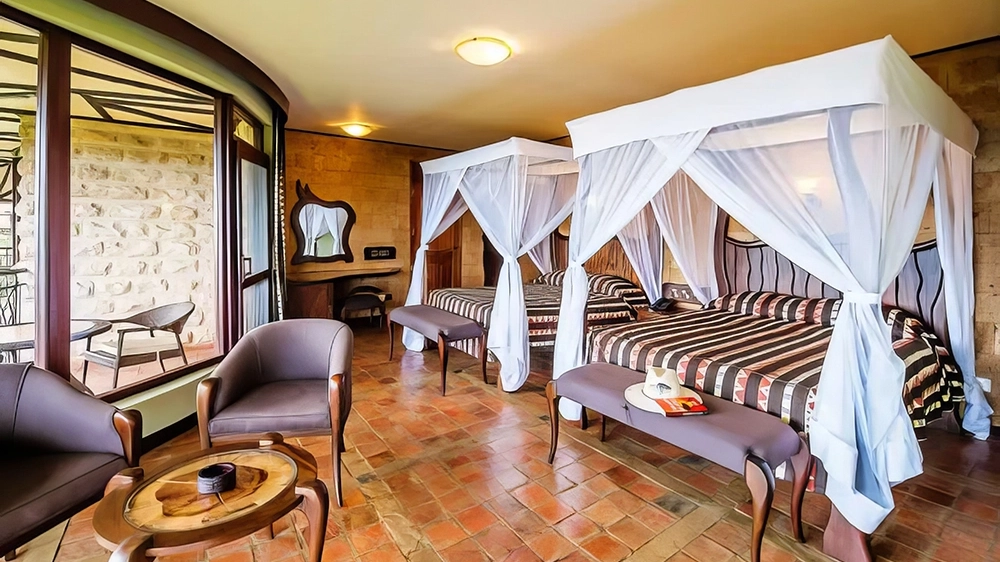
Perfect for comfort, value, and an authentic safari feel.

Comfortable lodges and camps with private en-suite bathrooms
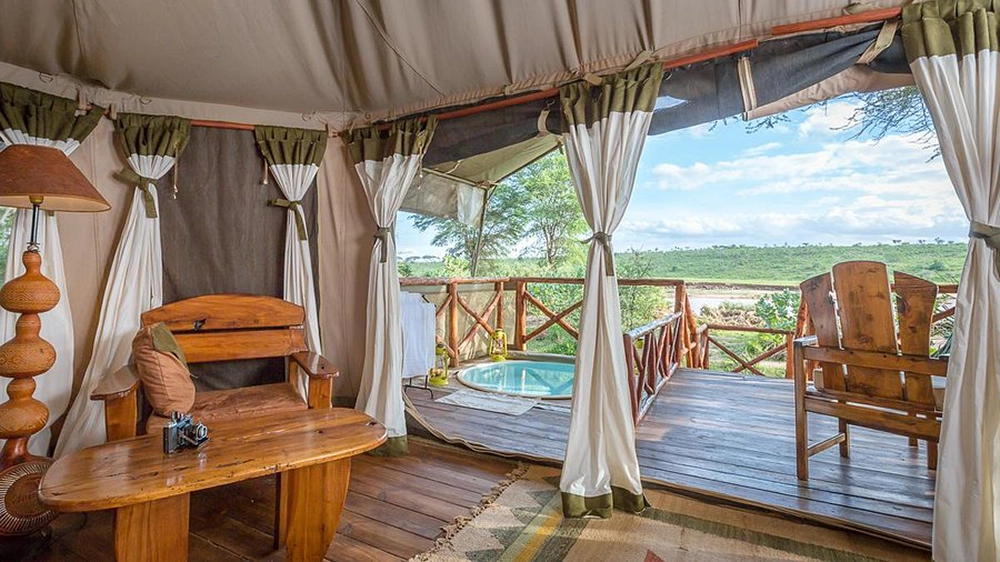


A step up in elegance, space, and service.
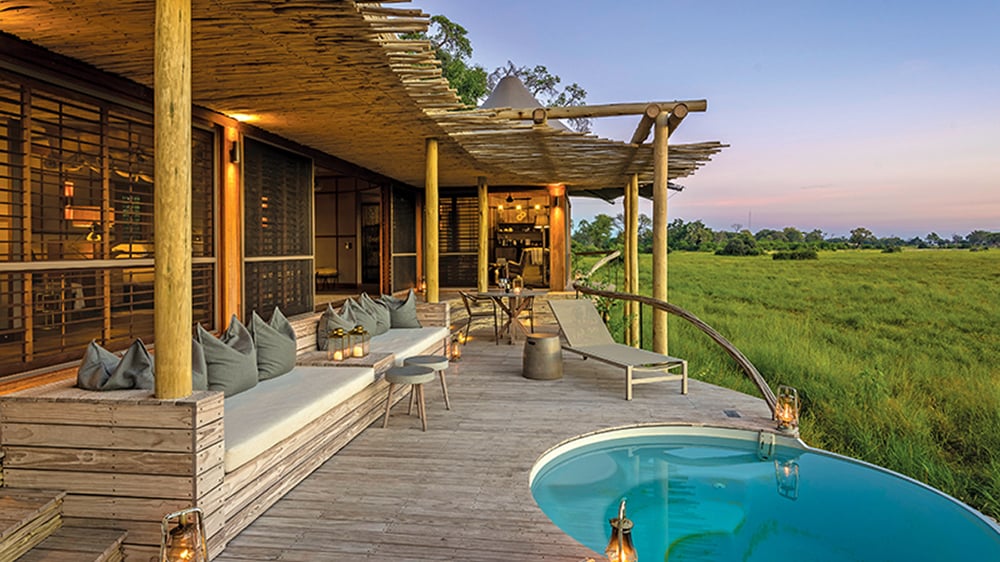


The highest tier—ultimate indulgence and exclusivity.


Tell us a few details — we’ll send your custom quote soon.
Want to speak with our safari experts? Schedule a Call